
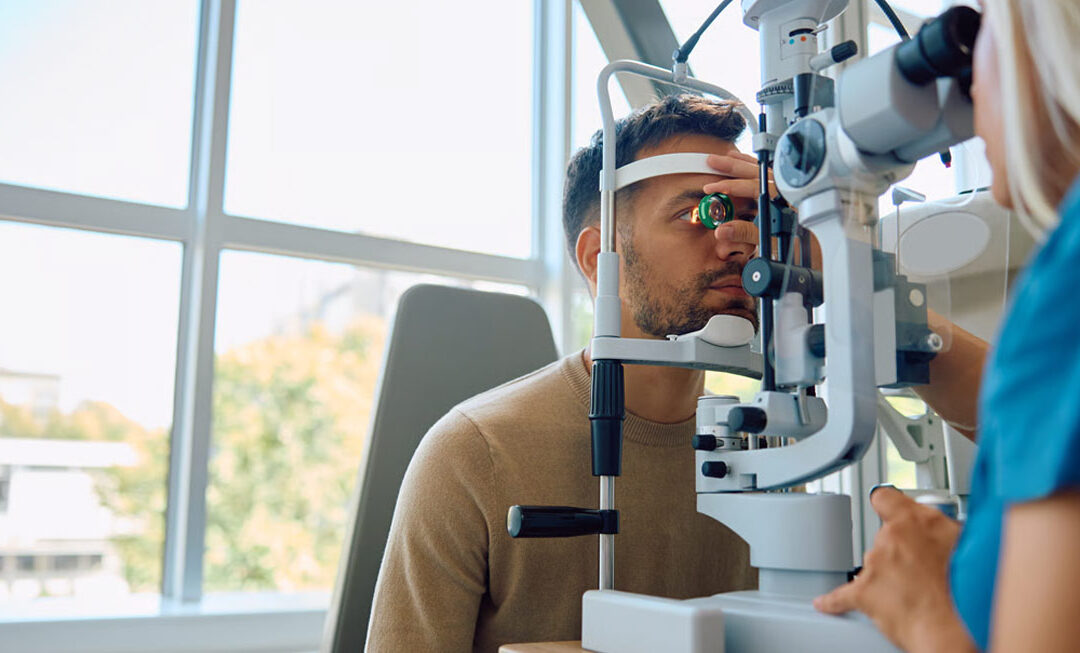
Most people schedule an eye exam when something feels wrong when they’re squinting at road signs, struggling to read a menu, or getting headaches after hours on a screen. And while those are all valid reasons to make an appointment, they represent a reactive approach to eye health that misses the bigger picture entirely. Your eyes are not just lenses that need updating when vision gets blurry. They are sophisticated, living tissue that can reveal an enormous amount about your overall health and many of the conditions that threaten them develop silently, without any noticeable symptoms, until significant damage has already been done.
The single most important thing you can do for your long-term vision is also the simplest: see your optometrist regularly, even when your eyes feel perfectly fine.
What an Eye Exam Actually Checks
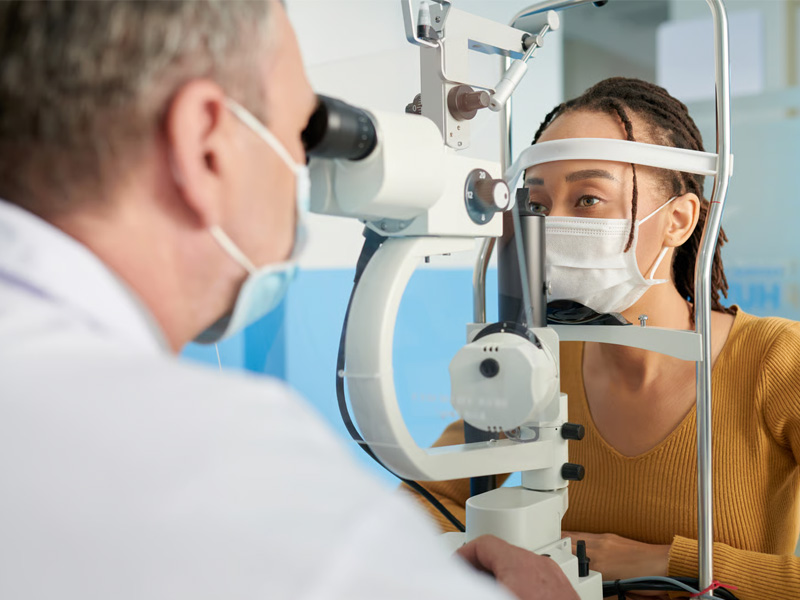
There’s a common assumption that an eye exam is essentially a prescription check — you read the letters, the doctor adjusts the lens, you pick out frames and go home. In reality, a comprehensive eye exam is a detailed assessment of the health of your entire visual system, and it evaluates far more than your ability to read a chart.
During a full exam, your optometrist will examine the internal and external structures of the eye, assess how your eyes work together, check the pressure inside the eye, evaluate the health of the optic nerve, and look at the blood vessels and tissues of the retina. Each of these components tells a specific story — and together, they can reveal early signs of conditions that have nothing to do with vision at all.
The Conditions Your Eyes Can Reveal First
This is the part that surprises most patients. A routine eye exam is often where serious systemic health conditions are first detected — sometimes before a person has any other symptoms or awareness that something is wrong.
- Diabetes — Changes in the blood vessels of the retina are frequently the earliest visible sign of diabetic disease in the body. Many patients learn they have diabetes or pre-diabetes for the first time during an eye exam.
- High blood pressure — Hypertension causes characteristic changes in the retinal blood vessels that a trained optometrist can identify before a patient ever gets a cardiovascular diagnosis.
- High cholesterol — Deposits in the blood vessels of the eye and around the cornea can indicate elevated cholesterol levels that haven’t yet been detected through bloodwork.
- Multiple sclerosis — Inflammation of the optic nerve is often an early neurological indicator and is sometimes the first clinical sign that leads to an MS diagnosis.
- Certain cancers — Ocular melanoma, brain tumors, and some forms of leukemia can present with signs visible during a comprehensive eye exam.
- Thyroid disease — Graves’ disease, in particular, produces distinctive changes around the eye that are often caught by an optometrist before an endocrinology referral is made.
None of this is meant to create alarm. It’s meant to illustrate that your eyes are a window into your systemic health in ways that most people don’t fully appreciate — and that regular eye exams are genuinely part of comprehensive preventive care, not an optional add-on.
The Silent Threats to Your Vision
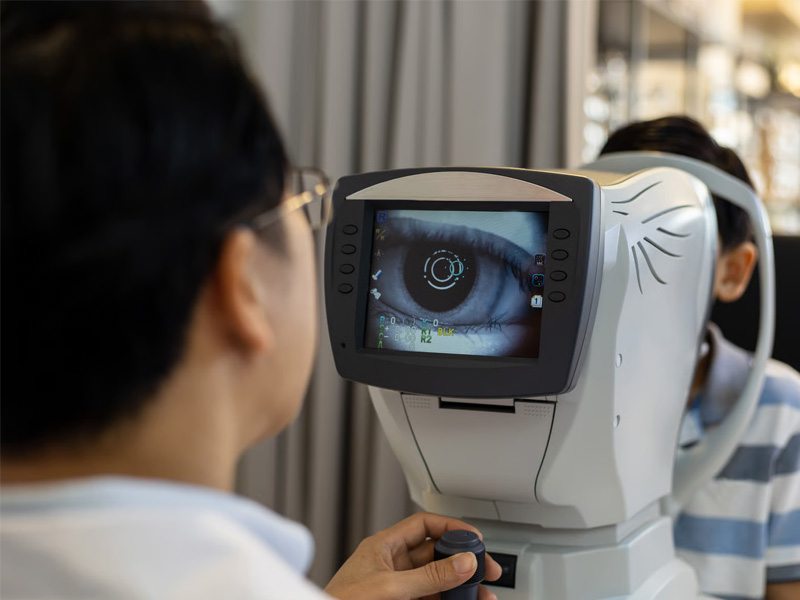
Beyond what your eyes reveal about the rest of your body, there are several serious eye conditions that develop without pain or obvious vision changes until they are already well advanced. These are the conditions that make routine exams genuinely critical.
Glaucoma is often called the silent thief of sight for good reason. It damages the optic nerve gradually, typically beginning with peripheral vision loss that the brain compensates for so effectively that most people don’t notice it until central vision is affected. By that point, the damage is irreversible. Early detection through regular intraocular pressure measurements and optic nerve evaluation is the only reliable way to catch it in time to preserve vision.
Age-related macular degeneration follows a similar pattern. It affects the central portion of the retina responsible for sharp, detailed vision, and in its early stages produces no symptoms that a patient would typically notice. Caught early, its progression can be slowed significantly. Caught late, the vision loss it causes cannot be restored.
Diabetic retinopathy even in patients who know they have diabetes and are managing it can progress silently between appointments and cause permanent damage if the retina isn’t being monitored on schedule.
Screen Time, Dry Eyes, and the Modern Eye

Even if you’re not in a high-risk category for any of the above conditions, the demands placed on modern eyes have changed significantly and most people are feeling it. Digital eye strain is now one of the most common complaints optometrists hear, and it’s driven almost entirely by the way contemporary life is structured. The average adult spends well over seven hours a day looking at screens, and the visual system was simply not designed for that level of sustained near-focus work.
Symptoms of digital eye strain include tired or burning eyes, blurred vision at the end of the day, difficulty shifting focus between near and far distances, and persistent headaches that tend to build over the course of a workday. Many people have adapted to these symptoms so thoroughly that they no longer register them as abnormal they just assume this is how their eyes feel. In many cases, a combination of updated lenses, blue light filtering, and targeted dry eye treatment makes a dramatic and immediate difference.
Dry eye disease, which affects a significant portion of the adult population and is worsened by screen use, air conditioning, and contact lens wear, is also frequently undertreated simply because people don’t bring it up. It’s worth mentioning to your optometrist, even if it seems minor. Left unaddressed, chronic dry eye can damage the surface of the eye over time.
How Often Should You Actually Be Going?

For adults with no known risk factors, a comprehensive eye exam every one to two years is the general recommendation. However, annual exams are advisable for anyone over 60, anyone with diabetes or a family history of glaucoma or macular degeneration, anyone who wears contact lenses, and anyone experiencing symptoms of any kind. Children should have their first comprehensive eye exam before starting school, and then regularly throughout their academic years undetected vision problems are one of the most common and most correctable contributors to learning difficulties in children.
If you’re not sure when you last had a full exam not just a prescription check, but a comprehensive evaluation of your eye health the answer is almost certainly that it’s time to schedule one.